Selma & Voting Rights: Standing Up for Equality
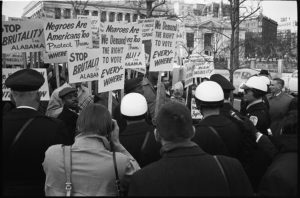
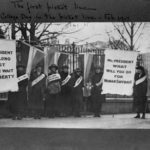
African American demonstrators outside the White House

Overview

Through inquiry into primary sources, students discover a story of citizens shaping and sustaining our democracy through civic action and will contemplate the import and impact of citizens who strive for equality. This lesson may be used prior to reading a fictional work or poem related to the civil rights movement or in conjunction with a close reading of Lyndon B. Johnson’s March 15, 1965 voting rights address to Congress (in whole or in part).

Related Resources

Grade

Middle School

Subjects

Civics, English Language Arts

Length

60-80 minutes

Topics

Lyndon B. Johnson, civic action, civil rights, equality, march to selma, selma, voting, voting rights, voting rights act, voting rights address

Author

Citizen U DePaul
More Lessons

The Importance of Voting

By Academy of American Poets

Gettysburg Address Game On

By Primary Source Nexus

Equality Under the Law: Problems and Solutions

By Citizen U

Making a Mark: Marching & Leaping Towards Reform

By Academy of American Poets

Gun Violence and Next-Generation Coalitions

By Citizen U DePaul

What Do You Do with a Voice Like That?

By Tom Bober

Electoral College: Are All Votes Equal?

By Citizen U DePaul

Education and Equality in the Courts

By Citizen U CRF

Absentee Voting & Voting by Mail

By Teaching with the Library of Congress

Gerrymandering: Voting by Numbers

By Citizen U

A Lady Has the Floor: Belva Lockwood Speaks Out for Women’s Rights

By Tom Bober

African American Identity in the Gilded Age: Two Unreconciled Strivings

By Teaching with the Library of Congress

Making a Declaration – Beginning

By Our American Voice

Electoral College: Does Your Vote for President Count?

By Primary Source Nexus

Civil Rights and Civic Action

By Citizen U DePaul

The Scientific Method, School Shootings, and Civic Action

By Citizen U DePaul

Dolores Huerta: Building Coalitions to Affect Change

By Citizen U CRF