Does Every Vote Count?
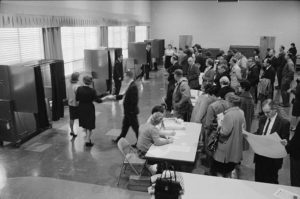
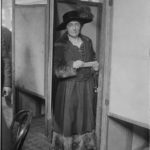
Voting in Prince Georges County, Md.

Overview

Students analyze primary sources to examine examples of voting, then discuss who votes and how ballots have changed to make voting equitable for all eligible voters.

Related Resources

Grade

Middle School

Subjects

Civics, Social Studies

Length

60-80 minutes

Topics

ballots, equality, voting, voting equality, voting rights

Author

Citizen U DePaul
More Lessons

Making a Declaration – Intermediate

By Our American Voice

Voice of Freedom: Fannie Lou Hamer

By Tom Bober

Selma & Voting Rights: Standing Up for Equality

By Citizen U DePaul

We Shall Overcome

By Primary Source Nexus

Who Gets the Vote?

By Democracy Project

Illustrating America

By Primary Source Nexus

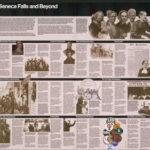
Women’s Rights: Seneca Falls & Beyond

By Primary Source Nexus

Tactics in the March to Suffrage

By Primary Source Nexus

Perceptions & Roles of American Women

By Primary Source Nexus

Science & the Suffragettes

By Primary Source Nexus

Predicting & Inferring About Woman Suffrage

By Kimberly Heckart

The Impact of Voting

By Citizen U CRF

Gerrymandering: Voting by Numbers

By Citizen U

Election Day

By Primary Source Nexus

Electoral College: Are All Votes Equal?

By Citizen U DePaul

Education and Equality in the Courts

By Citizen U CRF

Around America to Win the Vote

By Tom Bober

Absentee Voting & Voting by Mail

By Teaching with the Library of Congress

Suffrage Strategies: Voices for Votes

By Teaching with the Library of Congress

The Fight for Women’s Rights

By Emerging America