Selma & Voting Rights: Standing Up for Equality
Overview
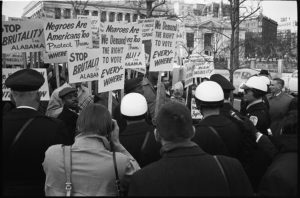
Through inquiry into primary sources, students discover a story of citizens shaping and sustaining our democracy through civic action and will contemplate the import and impact of citizens who strive for equality. This lesson may be used prior to reading a fictional work or poem related to the civil rights movement or in conjunction with a close reading of Lyndon B. Johnson’s March 15, 1965 voting rights address to Congress (in whole or in part).
Related Resources
-
Today in History: First March from Selma
background, primary & secondary sources, teaching resources -
More civil rights lesson plans
Middle school lesson plan
Grade
Middle School
Subjects
Civics, English Language Arts
Length
60-80 minutes
Topics
Lyndon B. Johnson, civic action, civil rights, equality, march to selma, selma, voting, voting rights, voting rights act, voting rights address
Author
Citizen U DePaul